
Table of Contents
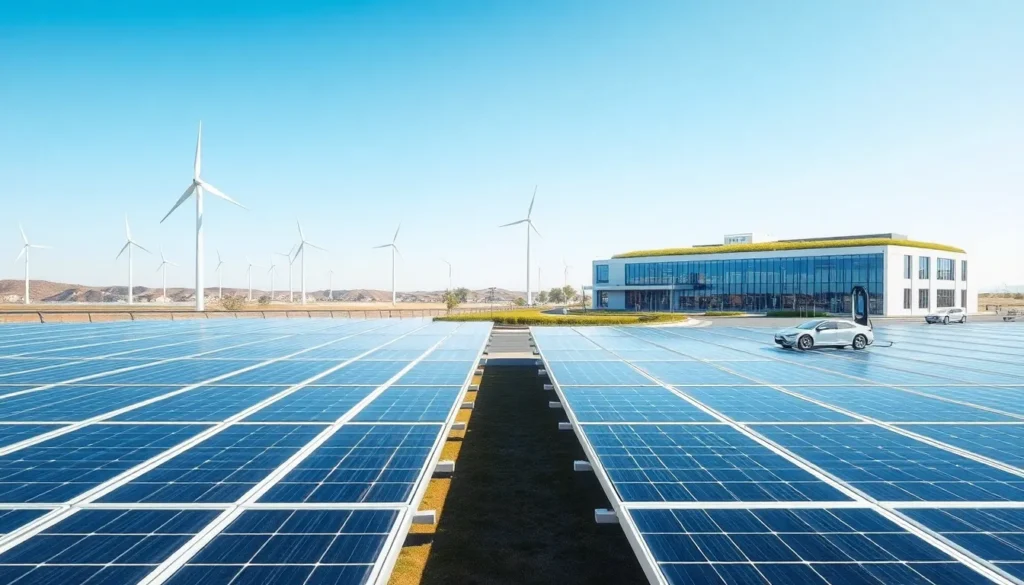
ToggleSustainable technology examples are transforming how industries operate and how people live. From solar panels on rooftops to electric vehicles on highways, these innovations reduce environmental harm while meeting modern demands. The shift toward sustainability isn’t just a trend, it’s a necessity. Climate change, resource depletion, and pollution have pushed governments, businesses, and individuals to seek cleaner alternatives. This article explores practical sustainable technology examples across energy, transportation, construction, and agriculture. Each section highlights real-world applications that are already making a difference.
Key Takeaways
- Sustainable technology examples span energy, transportation, construction, and agriculture—each sector offering proven solutions to reduce environmental impact.
- Renewable energy innovations like solar panels, wind turbines, and battery storage systems are reshaping global power grids with cleaner alternatives.
- Electric vehicles and hydrogen-powered transport are cutting transportation emissions, with global EV sales exceeding 14 million units in 2023.
- Smart home systems and net-zero buildings can reduce energy consumption by 25% or more through automation and efficient design.
- Precision farming and vertical agriculture use up to 95% less water while maintaining crop yields and reducing chemical inputs.
- Global investment in clean energy reached $1.8 trillion in 2023, signaling strong momentum toward sustainable technology adoption.
What Is Sustainable Technology?
Sustainable technology refers to innovations that meet present needs without compromising future generations’ ability to meet theirs. These technologies minimize environmental impact, conserve natural resources, and often reduce long-term costs.
The core principles behind sustainable technology include:
- Resource efficiency: Using fewer raw materials and energy to achieve the same results
- Renewable inputs: Relying on sources that replenish naturally, like sunlight and wind
- Reduced emissions: Cutting greenhouse gases and pollutants released into the atmosphere
- Circular design: Creating products that can be recycled, repaired, or reused
Sustainable technology examples span nearly every sector. Energy production has shifted toward solar and wind. Transportation now includes electric and hydrogen-powered vehicles. Agriculture uses precision farming tools that reduce water and pesticide use.
What makes a technology “sustainable” isn’t just one feature. It’s a combination of lower environmental footprint, economic viability, and social benefit. A solar panel farm, for instance, produces clean energy, creates jobs, and reduces electricity costs over time.
The market for sustainable technology is growing fast. According to the International Energy Agency, global investment in clean energy reached $1.8 trillion in 2023. This momentum shows no signs of slowing as governments set net-zero targets and consumers demand greener products.
Renewable Energy Innovations
Renewable energy stands as one of the most impactful sustainable technology examples today. Solar, wind, hydropower, and geothermal systems generate electricity without burning fossil fuels.
Solar Power Advances
Solar technology has improved dramatically. Modern photovoltaic panels convert sunlight to electricity at efficiencies exceeding 22%. Perovskite solar cells, a newer technology, promise even higher efficiency at lower production costs. Residential solar installations have become affordable, with payback periods often under seven years.
Wind Energy Growth
Wind turbines now generate over 900 gigawatts of capacity worldwide. Offshore wind farms, like those operating in the North Sea, capture stronger and more consistent winds. Floating turbine platforms allow installations in deeper waters, opening new areas for clean energy production.
Battery Storage Solutions
Renewable energy works best with storage. Lithium-ion batteries remain the standard, but newer options are emerging. Solid-state batteries offer higher energy density and safety. Grid-scale storage facilities, like Tesla’s installations in Australia, store excess solar and wind power for use during peak demand.
Emerging Technologies
Hydrogen fuel cells convert hydrogen gas into electricity with water as the only byproduct. Green hydrogen, produced using renewable energy, is gaining traction for industrial applications. Meanwhile, tidal and wave energy projects are capturing ocean power in coastal regions.
These sustainable technology examples in energy production are reshaping power grids globally. Countries like Denmark now generate over 80% of their electricity from renewables on peak days.
Eco-Friendly Transportation Solutions
Transportation accounts for roughly 16% of global greenhouse gas emissions. Sustainable technology examples in this sector aim to cut that figure significantly.
Electric Vehicles (EVs)
Electric vehicles have moved from niche to mainstream. Global EV sales topped 14 million units in 2023. Battery technology improvements have extended ranges beyond 300 miles per charge for many models. Charging infrastructure is expanding, with public stations now common in urban areas and along highways.
Beyond personal cars, electric buses and trucks are entering fleets. Cities like Shenzhen, China, operate fully electric bus systems. Delivery companies are adding electric vans to reduce urban emissions.
Hydrogen-Powered Transport
Hydrogen fuel cell vehicles offer an alternative for heavy transport. They refuel quickly and suit long-haul trucking and shipping. Companies like Hyundai and Toyota have released hydrogen-powered trucks for commercial use.
Sustainable Aviation
Aviation is harder to decarbonize, but progress is happening. Sustainable aviation fuels (SAFs) made from waste oils and agricultural residues can reduce lifecycle emissions by up to 80%. Electric aircraft are in development for short regional flights.
Public Transit and Micromobility
Expanded public transit reduces the number of cars on roads. Electric trains and trams run on renewable power in many European cities. E-bikes and electric scooters offer low-emission options for short urban trips.
These sustainable technology examples in transportation are changing how people and goods move. The shift requires continued investment in infrastructure and technology development.
Green Building and Smart Home Technologies
Buildings consume about 40% of global energy. Sustainable technology examples in construction and home automation target this significant source of emissions.
Energy-Efficient Building Materials
Cross-laminated timber (CLT) offers a low-carbon alternative to steel and concrete. Insulated concrete forms (ICFs) improve thermal performance. Cool roofs with reflective coatings reduce air conditioning needs by deflecting sunlight.
Smart Home Systems
Smart thermostats learn occupant patterns and adjust heating and cooling automatically. Philips Hue and similar smart lighting systems reduce electricity use by dimming lights when rooms are empty. Smart plugs identify energy-draining appliances and cut phantom loads.
Net-Zero Buildings
Net-zero buildings produce as much energy as they consume. They combine solar panels, high-performance insulation, and efficient HVAC systems. The Bullitt Center in Seattle generates all its power from rooftop solar and treats its own wastewater.
Green Certifications
LEED (Leadership in Energy and Environmental Design) certification has become a standard for sustainable construction. Buildings meeting LEED standards use 25% less energy and 11% less water than conventional structures.
These sustainable technology examples in buildings and homes show that efficiency gains are achievable today. Retrofitting existing buildings with smart systems and better insulation can deliver quick returns on investment.
Sustainable Agriculture and Water Management
Agriculture uses 70% of global freshwater withdrawals. Sustainable technology examples in this sector focus on producing more food with less environmental impact.
Precision Farming
Precision agriculture uses GPS, sensors, and data analytics to optimize planting, watering, and fertilizing. Farmers apply inputs only where needed, reducing waste. John Deere’s autonomous tractors and DJI’s agricultural drones exemplify this approach.
Variable-rate technology adjusts seed and fertilizer application across a field based on soil conditions. This method can cut fertilizer use by 15-20% while maintaining yields.
Vertical Farming
Vertical farms grow crops in stacked layers inside controlled environments. They use 95% less water than traditional farms and require no pesticides. Companies like Plenty and AeroFarms operate large-scale vertical farms near urban centers, shortening supply chains.
Smart Irrigation
Drip irrigation delivers water directly to plant roots, minimizing evaporation. Soil moisture sensors trigger irrigation only when needed. Israel’s agricultural sector, operating in arid conditions, has pioneered many of these water-saving techniques.
Water Recycling and Desalination
Wastewater treatment plants now produce water clean enough for agricultural use. Reverse osmosis desalination plants, though energy-intensive, provide freshwater in water-scarce regions. Pairing desalination with solar power reduces its carbon footprint.
These sustainable technology examples in agriculture and water management address food security while protecting freshwater resources. Adoption rates are increasing as farmers see cost savings and yield improvements.


