
Table of Contents
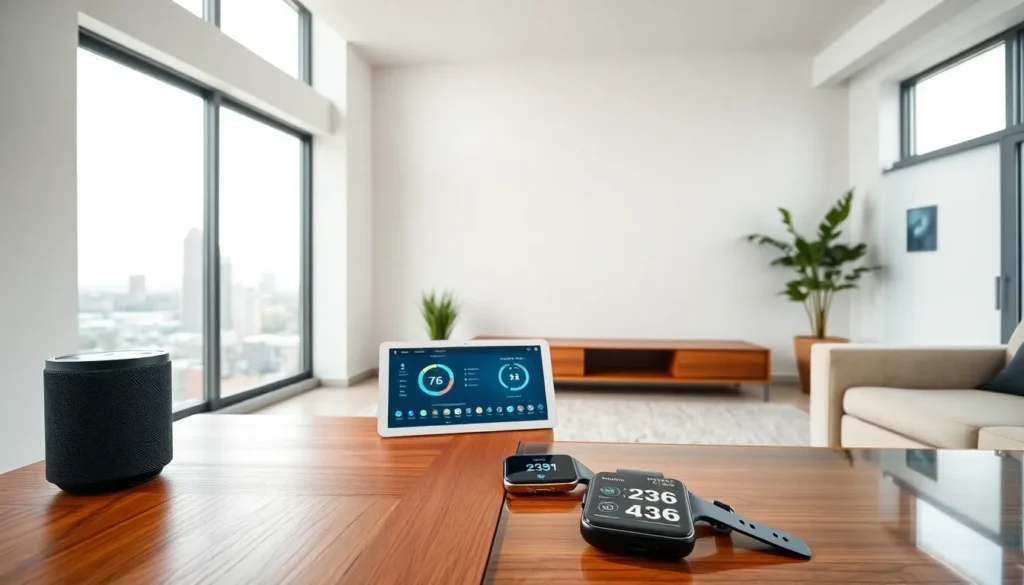
ToggleInternet of things examples surround people every day, often without them noticing. From smart thermostats that learn household preferences to fitness trackers monitoring heart rates, IoT devices have become deeply embedded in modern life. These connected technologies collect data, communicate with other devices, and automate tasks that once required manual effort.
The Internet of Things refers to the network of physical objects embedded with sensors, software, and connectivity features. These devices exchange data over the internet, creating smarter environments in homes, workplaces, and cities. By 2025, estimates suggest over 75 billion IoT devices will be active worldwide. This article explores practical internet of things examples across four key sectors: smart homes, wearable health technology, industrial manufacturing, and urban infrastructure.
Key Takeaways
- Internet of things examples span smart homes, wearables, industrial manufacturing, and city infrastructure—with over 75 billion IoT devices expected to be active worldwide.
- Smart home devices like thermostats, voice assistants, and security systems can reduce energy costs by 10-15% while adding convenience and safety.
- Wearable health technology, including fitness trackers and medical-grade monitors, enables proactive healthcare by tracking vital signs and alerting users to potential health issues.
- Industrial IoT applications reduce maintenance costs by up to 25% through predictive sensors that detect equipment failures before they happen.
- Smart city internet of things examples—such as adaptive traffic lights and smart waste bins—have helped cities like Los Angeles cut commute times by 25% and Seoul reduce waste collection costs by 83%.
- From connected appliances to remote patient monitoring, IoT devices automate daily tasks and improve quality of life across nearly every sector.
Smart Home Devices
Smart home devices represent some of the most recognizable internet of things examples for consumers. These products connect to home Wi-Fi networks and allow users to control lighting, temperature, security, and entertainment systems remotely.
Smart Thermostats
Devices like the Nest Learning Thermostat and Ecobee adjust heating and cooling based on occupancy patterns. They detect when residents leave home and reduce energy usage automatically. Studies show smart thermostats can cut heating and cooling costs by 10-15% annually.
Voice Assistants and Smart Speakers
Amazon Echo, Google Home, and Apple HomePod serve as central hubs for IoT ecosystems. Users issue voice commands to play music, check weather forecasts, control other connected devices, and set reminders. These assistants learn user preferences over time, making responses more accurate.
Smart Security Systems
Video doorbells from Ring and Nest allow homeowners to see visitors remotely. Smart locks enable keyless entry through smartphone apps. Motion sensors trigger alerts when unexpected activity occurs. These internet of things examples give homeowners peace of mind whether they’re at work or on vacation.
Connected Appliances
Refrigerators now track expiration dates and create shopping lists. Washing machines send notifications when cycles complete. Robot vacuums map floor plans and clean on scheduled routines. These appliances save time and reduce the mental load of household management.
Wearable Technology and Health Monitoring
Wearable devices have transformed personal health tracking into one of the fastest-growing categories of internet of things examples. These gadgets collect biometric data and sync it with smartphone applications for analysis.
Fitness Trackers and Smartwatches
Devices from Fitbit, Garmin, and Apple monitor steps, heart rate, sleep quality, and calories burned. The Apple Watch can detect irregular heart rhythms and has alerted users to previously undiagnosed conditions. Samsung Galaxy watches track blood oxygen levels and stress indicators.
Medical-Grade Wearables
Beyond consumer fitness products, medical IoT devices serve clinical purposes. Continuous glucose monitors help diabetic patients track blood sugar without finger pricks. Implantable cardiac monitors transmit heart data directly to physicians. These internet of things examples enable proactive healthcare rather than reactive treatment.
Remote Patient Monitoring
Healthcare providers use IoT sensors to monitor patients recovering at home. Blood pressure cuffs, pulse oximeters, and weight scales automatically upload readings to medical records. This approach reduces hospital readmissions and catches warning signs early. The remote patient monitoring market is projected to exceed $175 billion by 2027.
Mental Health Applications
Some wearables now track stress through skin conductance and heart rate variability. Apps paired with these devices suggest breathing exercises or meditation when stress levels spike. This represents an emerging frontier for internet of things examples in wellness.
Industrial and Manufacturing Applications
Industrial IoT (IIoT) applications generate significant value for businesses through improved efficiency and reduced downtime. Factories and warehouses deploy sensors across equipment, inventory, and logistics systems.
Predictive Maintenance
Sensors attached to machinery detect vibration patterns, temperature changes, and wear indicators. When readings suggest a component might fail, maintenance teams receive alerts before breakdowns occur. This prevents costly unplanned downtime. General Electric reports predictive maintenance can reduce maintenance costs by 25% and eliminate 70% of breakdowns.
Supply Chain Tracking
RFID tags and GPS trackers follow products from manufacturing floors to customer doorsteps. Logistics companies monitor truck locations, delivery times, and cargo conditions in real time. Cold chain sensors ensure temperature-sensitive goods like pharmaceuticals and food remain properly stored during transit. These internet of things examples provide visibility across entire supply networks.
Quality Control Automation
Computer vision systems inspect products for defects at speeds impossible for human workers. Sensors verify dimensions, colors, and assembly accuracy. Defective items get flagged immediately, reducing waste and improving customer satisfaction.
Energy Management
Smart meters and building automation systems optimize energy consumption in industrial facilities. They adjust lighting, HVAC, and equipment operation based on occupancy and production schedules. Companies using IoT energy management typically see 10-20% reductions in utility costs.
Smart Cities and Infrastructure
Municipal governments worldwide carry out internet of things examples to improve public services and urban planning. Connected infrastructure makes cities more efficient, sustainable, and livable.
Traffic Management
Smart traffic lights adjust signal timing based on real-time vehicle flow. Cities like Los Angeles and Pittsburgh have reduced commute times by 25% using adaptive traffic systems. Sensors detect accidents and construction zones, then reroute drivers through navigation apps.
Smart Parking
Embedded sensors identify open parking spaces and guide drivers to available spots through mobile apps. San Francisco’s SFpark program reduced circling time and cut parking-related emissions. Some systems adjust pricing dynamically based on demand.
Waste Management
Smart bins equipped with fill-level sensors alert sanitation departments when collection is needed. This eliminates unnecessary pickup routes and overflowing containers. Seoul, South Korea reduced waste collection costs by 83% after deploying smart bin technology.
Environmental Monitoring
Air quality sensors track pollution levels across urban areas. Water systems detect leaks and contamination in real time. Noise monitors identify problem areas for enforcement. These internet of things examples help cities protect public health and allocate resources effectively.
Public Safety
Connected streetlights brighten automatically when pedestrians approach and dim during low-traffic hours. Gunshot detection systems pinpoint locations and alert police instantly. Emergency response systems coordinate across departments during crises.


