
Table of Contents
ToggleWhat is apps, and why does everyone talk about them? Apps power nearly every digital interaction today. They help people check the weather, order food, send messages, and manage finances. Yet many users don’t fully understand what apps are or how they function.
This guide breaks down the definition of apps, explores the different types, and explains how they work. Whether someone uses a smartphone, laptop, or tablet, apps shape their daily digital experience. Understanding apps helps users make smarter choices about the software they download and use.
Key Takeaways
- An app is a software program designed to perform specific tasks on devices like smartphones, tablets, and computers.
- The three main types of apps are mobile apps, desktop apps, and web apps—each offering different features and accessibility.
- Apps work by receiving user input, processing data through programming code, and communicating with servers via APIs to deliver results.
- Mobile apps leverage device features like cameras, GPS, and touchscreens, making them powerful tools for everyday tasks.
- Apps have transformed banking, shopping, healthcare, and education by simplifying tasks that once required physical effort or multiple tools.
- Keeping apps updated protects your device security and ensures optimal performance.
The Definition of an App
An app, short for application, is a software program designed to perform specific tasks. Apps run on devices like smartphones, tablets, computers, and smartwatches. They differ from system software, which manages hardware and basic device operations.
Apps serve a focused purpose. A calculator app performs math. A calendar app tracks events. A music app plays songs. This focus separates apps from operating systems like Windows or iOS, which manage the device itself.
The term “app” became popular with the launch of Apple’s App Store in 2008. Before that, people called these programs “applications” or “software.” Today, most people use “app” to describe any program they download and use.
Apps come from developers, individuals or companies who write code to create software. Developers publish apps through distribution platforms. Users then download apps to their devices. Some apps cost money, while others are free. Free apps often include advertisements or offer premium features through in-app purchases.
Types of Apps You Use Every Day
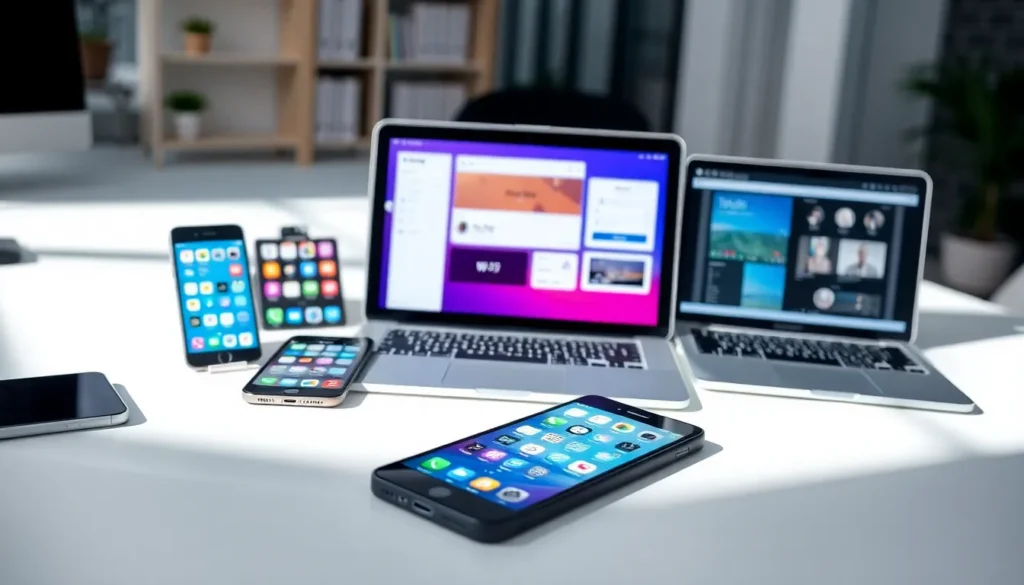
Apps fall into several categories based on where they run and how users access them. The three main types are mobile apps, desktop apps, and web apps.
Mobile Apps
Mobile apps run on smartphones and tablets. Users download them from app stores like Google Play or Apple’s App Store. These apps take advantage of mobile hardware features such as cameras, GPS, and touchscreens.
Popular mobile apps include social media platforms like Instagram and TikTok, messaging services like WhatsApp, and games like Candy Crush. Banking apps let users check balances and transfer money. Fitness apps track workouts and health data.
Mobile apps can work offline or require an internet connection. Some apps store data locally on the device. Others sync information with cloud servers. This flexibility makes mobile apps useful in many situations.
Desktop and Web Apps
Desktop apps install directly on computers. They often provide more features and processing power than mobile versions. Examples include Microsoft Word, Adobe Photoshop, and video editing software like Final Cut Pro.
Web apps run inside internet browsers. Users don’t install them, they simply visit a website. Gmail, Google Docs, and Trello are web apps. They work on any device with a browser and internet access.
Some companies offer all three types. Spotify has a mobile app, a desktop app, and a web app. Users can switch between versions and keep their data synced. This cross-platform approach gives people flexibility in how they access services.
How Apps Work
Apps follow a basic process: they receive input, process data, and produce output. A user taps a button, the app performs calculations or retrieves information, and the screen displays results.
Developers write apps using programming languages. Mobile developers often use Swift for iOS apps and Kotlin or Java for Android apps. Web developers use JavaScript, HTML, and CSS. Desktop developers might use C++, Python, or other languages depending on the platform.
Apps communicate with servers through something called an API (Application Programming Interface). When someone opens a weather app, it sends a request to a server. The server returns current weather data. The app then displays that information on screen.
Many apps store data in two places. Local storage keeps information on the device for quick access. Cloud storage saves data on remote servers for backup and syncing across devices. This combination ensures users don’t lose important information if they switch phones or experience technical problems.
App updates fix bugs, add features, and patch security issues. Developers release updates through app stores. Users can set apps to update automatically or choose to update manually. Keeping apps updated protects devices and improves performance.
Why Apps Matter in Modern Life
Apps have changed how people work, communicate, and spend free time. They simplify tasks that once required multiple tools or physical visits.
Consider banking. Twenty years ago, depositing a check meant driving to a bank. Today, users snap a photo with a banking app. The process takes seconds. Apps remove friction from everyday activities.
Businesses rely on apps to reach customers. E-commerce apps let people shop from anywhere. Food delivery apps connect restaurants with hungry customers. Ride-sharing apps changed transportation in cities worldwide.
Apps also create new opportunities for learning. Language apps like Duolingo teach millions of users new languages. Educational apps help students study math, science, and history. These tools make knowledge accessible to anyone with a smartphone.
Health apps track fitness goals, monitor sleep patterns, and remind users to take medication. Some apps connect patients with doctors through video calls. During the COVID-19 pandemic, telemedicine apps became essential for many people seeking medical care.
The app economy supports millions of jobs. Developers, designers, marketers, and support staff all work to create and maintain apps. In 2023, global app revenue exceeded $500 billion. This industry continues to grow as more people adopt smartphones and tablets.


